


In today’s fast-paced digital landscape, staying ahead in the marketing game is no longer just a choice; it’s a necessity. Marketing automation has emerged as a game-changer, offering businesses the ability to streamline operations, boost efficiency, and deliver personalized experiences to their audience. Let’s dive in and understand everything about it.
What is the Purpose of Marketing Automation?
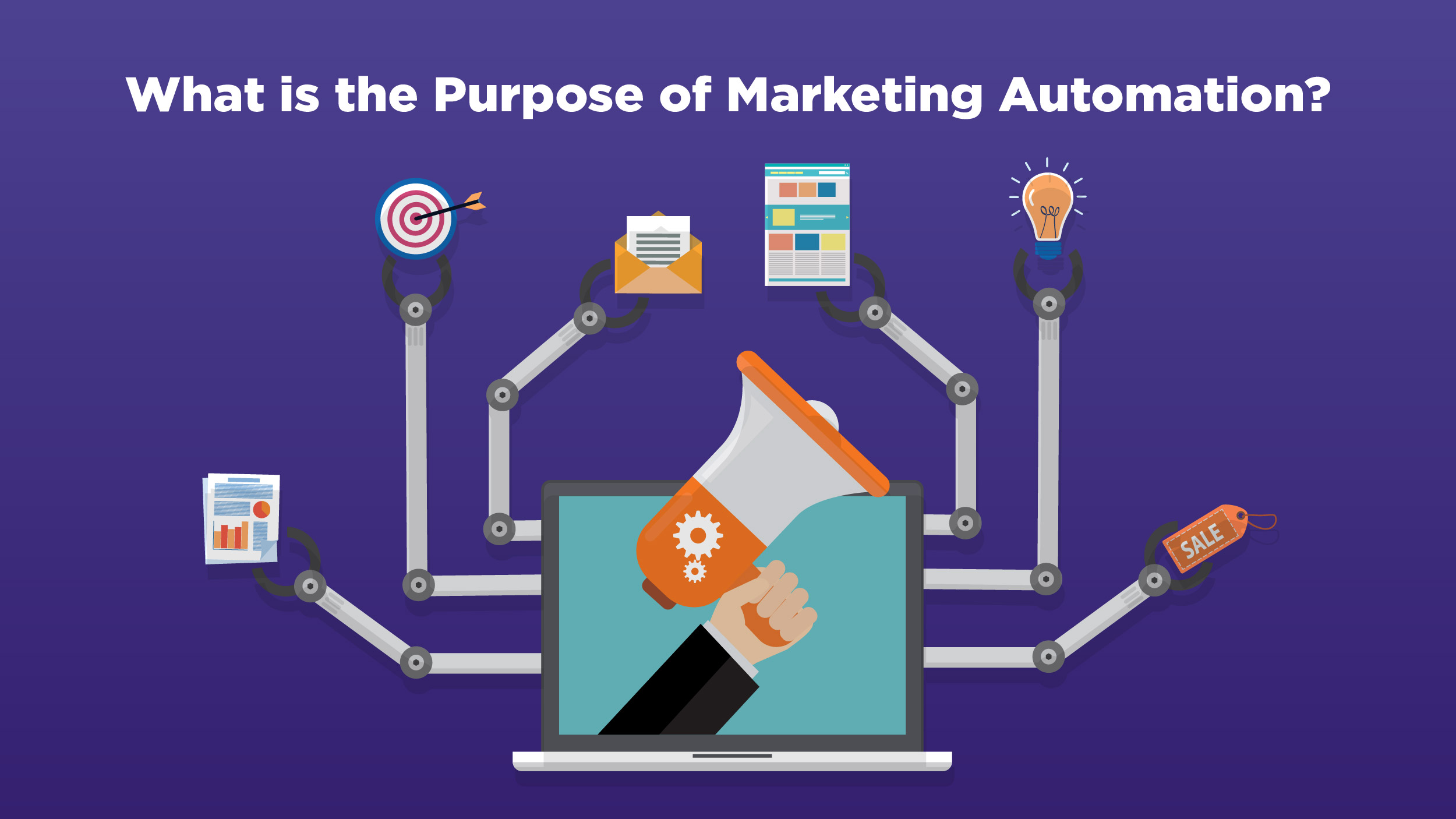 Marketing automation serves as a time-saving tool that automates repetitive tasks, minimizes human errors, and enhances overall performance. Rather than manual operations, it allows you to concentrate on strategic responsibilities, such as campaign strategizing and design, objective establishment, research, maintaining brand consistency, measuring key performance indicators (KPIs), and more.
While email marketing automation is commonly associated with the term “marketing automation”, its scope extends beyond automating email campaigns. Marketing automation software streamlines various tasks, including:
- Lead generation, scoring, and nurturing
- Audience segmentation and targeting
- Facilitating upsell and cross-sell initiatives
- Managing customer loyalty and retention programs
- Providing analytics and reports for optimizing marketing and content strategies, such as adjusting subject lines or delivery times
- Conducting A/B testing to identify the most effective headlines, offers, copy, or visuals
Moreover, automation software helps enhance your customer data and construct more comprehensive customer profiles. This data can be leveraged to improve the customer experience (CX) by delivering tailored, personalized interactions across various communication channels.
Types of Marketing Automation Software
- Customer Relationship Management (CRM) streamlines sales processes and effectively manages customer, order, and product information.
- Sales Force Automation optimizes sales workflows and data management and offers valuable analytics.
- Email Marketing simplifies the entire email marketing journey, including lead generation form setup and comprehensive success tracking reports.
- Social Media Automation handles various facets of social media marketing, including content publishing, scheduling, monitoring, and in-depth analytics.
- Automation Workflows eliminate manual intervention in marketing processes.
- Lead Management automates lead generation, scoring, and utilization for sales or marketing purposes.
- Analytics presents data visually and uncovers market and customer data patterns.
- Pricing tools aid in the establishment of competitive pricing structures, especially in e-commerce, with features like A/B testing and demand estimation.
- Digital Advertising and Promotion streamlines ad creation and bidding strategies across digital channels.
- Customer Loyalty tools automate essential aspects of loyalty program promotion and administration.
Numerous solutions are available, ranging from point solutions that require integration with other tools to all-in-one solutions encompassing most, if not all, of the listed functionalities. There’s a 431% increase in qualified leads when using automation software.
Also Read: YouTube Affiliate Marketing: Unlock Your Business Potential in 2023
How Does Marketing Automation Work?
 It utilizes software to streamline tedious marketing tasks. By automating repetitive tasks like email marketing, social media posting, and ad campaigns, marketing departments aim not only for efficiency but also to create a more personalized experience for customers. The technology supporting this makes these tasks quicker and more accessible. Additionally, it allows businesses to collect valuable data about potential customers through email clicks, app usage, website visits, and other digital marketing interactions.
Create targeted marketing campaigns that deliver personalized experiences to different segments of your audience. Utilize various digital channels such as e-mail, social media, mobile platforms, and communicate effectively to reach your customers. Cross-channel workflows are initiated by customer actions and predetermined schedules with two goals in mind. First, they guide customers through the sales funnel, and secondly, they nurture them until they become qualified leads for marketing purposes. Analyze and track your results to identify areas that are not yielding desired outcomes. Make necessary adjustments to improve your marketing return on investment (ROI).
How Can Marketing Automation Help Businesses?
As businesses navigate the ever-changing landscape, they continue to grapple with the same core challenges – attracting potential customers and ensuring their engagement throughout the customer journey. Additionally, there’s been an exponential growth in data collection, presenting a new hurdle for businesses to overcome – effectively utilizing this wealth of information.
To overcome these challenges, these automation software plays a crucial role in utilizing data effectively and streamlining our workflows. Many businesses view automation tools primarily as a way to nurture leads through automated email campaigns. While this is indeed an effective use of marketing, it can sometimes result in a disconnected experience for prospects and customers as they transition from marketing efforts to sales and customer service. Instead of tailoring their approach to individual customer needs, businesses often force prospects through a generic sales funnel filled with irrelevant content and arbitrary touch-points.
It is important to implement automated marketing strategies throughout the entire customer journey in order to foster strong and lasting relationships with your customers. When done properly, these automation tools provide a solid foundation for nurturing these relationships over time. According to a recent study, 58% of marketers utilize automation to manage tasks.
Final Thoughts
Now that we have a fair idea of marketing automation and how it can positively impact your business, the next question that pops up is, when is the right time to invest in it? Well, when considering whether it’s the right time to invest in automation, there are some other important questions to ask.
Is there alignment between marketing and sales regarding the handoff of leads? Do you have clarity on where customer interactions transition from marketing to sales? Is it possible to analyze and interpret the body language of potential customers throughout every interaction and marketing platform?
However, the key question remains: are you prepared to expand and scale your marketing endeavors? If the answer is yes, then you should totally go for it.