


Apple doesn’t just sell gadgets. It sells a world that works together. iPhones, Macs, Watches, apps, services; they all sync. Start something on one device, finish it on another. It just works even with no ads, no reminders, no pushy marketing. The product does the talking.
People stick around not because of campaigns but because leaving feels like a hassle. Your data moves with you, everything is connected, and privacy is built in. You feel safe. You feel in control. That’s what builds loyalty quietly, without anyone telling you to stay.
The numbers back it up. Apple’s filings show service revenue climbing, device adoption holding strong, ecosystem integrations increasing. Users are in, and they stay. It’s not hype. It’s real. The combination of seamless devices, smart software, and user trust is why Apple has unmatched brand loyalty and customer experience.
The Hardware Foundation
Apple’s hardware is sneaky. On the surface, it’s just a phone, a watch, a laptop. Dig deeper, and it’s a whole ecosystem designed to make life easier and, honestly, make leaving painful. The A and M series chips are the reason. Apple doesn’t buy them from someone else. They make them themselves. That control means your apps open fast, devices talk to each other without hiccups, and battery life actually lasts. Competitors try, but mixing parts can’t match this smoothness. Users notice it, even if they can’t put a finger on why it feels different.
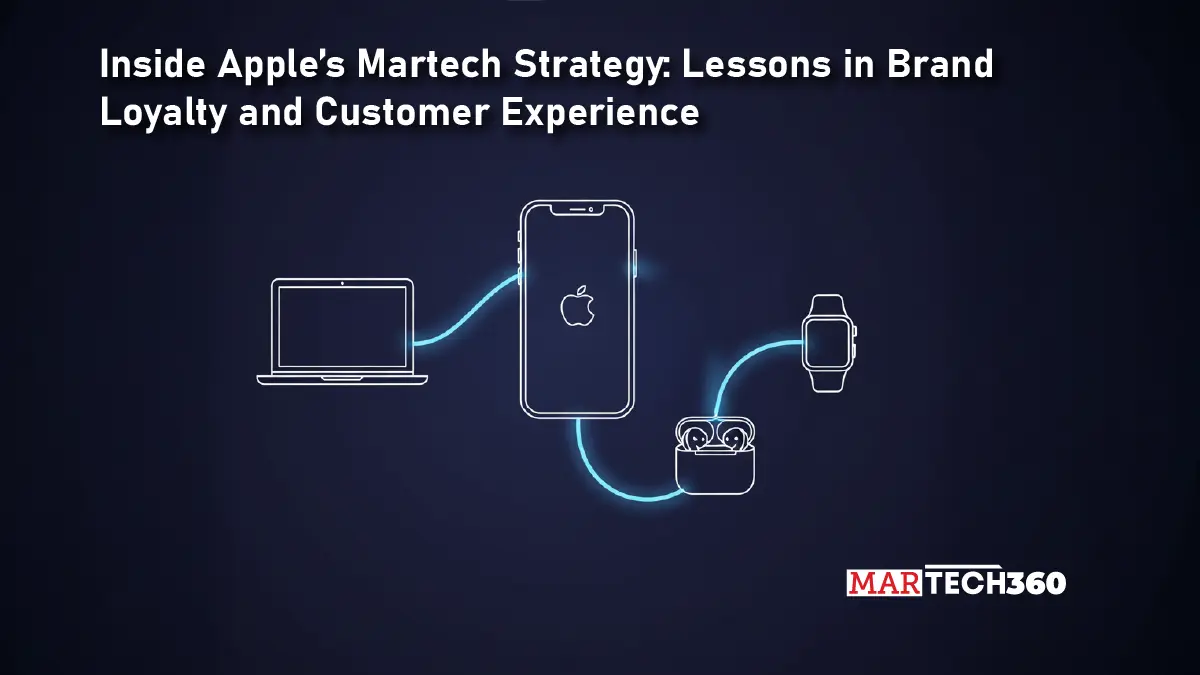
The operating systems all play the same game. iOS, macOS, watchOS, tvOS, they follow the same rules. So when you switch devices, it doesn’t feel like a new lesson every time. Buttons, gestures, even subtle interactions behave like you expect. It’s not flashy, but it’s comforting. It’s one reason people stick around and keep using Apple every day.
Then there’s Handoff, AirDrop, and Universal Clipboard. Start something on one device and pick it up on another without thinking. A document, a link, a photo. It moves. Apple’s developer docs even explain how apps can do this, but for a regular user, it just works. You don’t notice the tech. You just notice how easy life feels. And that ease makes leaving annoying. Losing that seamlessness? Suddenly the competitors look a lot less convenient.
The Apple Watch and AirPods are part of this too. They aren’t just gadgets. They push Apple into your daily rhythm through health data, notifications, music, calls. They keep the ecosystem alive in ways a laptop or phone alone can’t. Every touch, every ping, every subtle nudge reinforces why being inside the ecosystem is worth it.
Put it all together; custom chips, unified OS, continuity that actually works, wearables that matter and you have a system that does more than run apps. It locks in attention, builds trust, and quietly strengthens brand loyalty and customer experience without shouting about it. Users don’t just use Apple. They live in it.
Also Read: The Apple Marketing Playbook: How Experience-First Strategy Drives Trillions in Revenue
Monetizing Continuity and Driving LTV
 Apple has a way of turning convenience into cash without making it feel like a trap. Take Apple One. It bundles Music, TV+, Arcade, and iCloud into one package. On paper, it’s just a subscription. In practice, it’s a lock-in tool. The more services a user adopts, the more they rely on the ecosystem. Leaving isn’t just losing one app; it’s losing everything that works together effortlessly. Apple One nudges people to stay not through marketing hype but by making the ecosystem so useful that leaving feels inconvenient.
It’s also smart business. Recurring revenue from subscriptions isn’t tied to the next iPhone launch. Apple knows exactly how much cash flows in, and margins stay high because these services scale without extra hardware. Users get consistent experiences, Apple gets predictable revenue, and the cycle feeds itself.
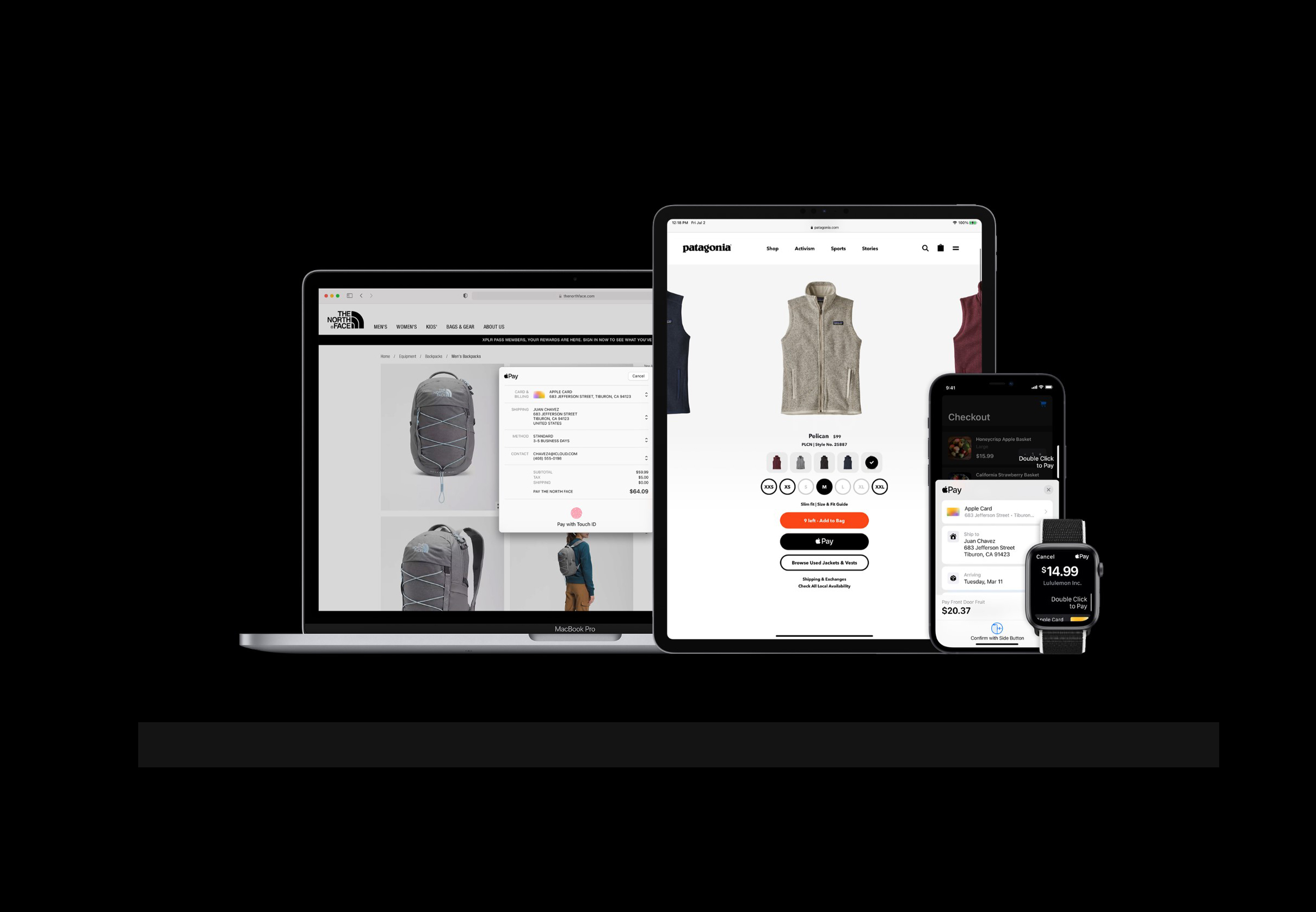
Then there’s Apple Pay and Wallet. On the surface, they let you tap your phone and pay, simple as that. But beneath that simplicity is a transactional data layer connecting physical purchases to digital habits. Apple uses it to smooth experiences across the ecosystem, from paying in-store to buying a subscription online. Every transaction reinforces convenience and reinforces the ecosystem’s value.
Security is part of the package. Face ID, Touch ID, tokenization; they don’t just protect money; they protect trust. Users feel safe, and that safety becomes part of why they stick around. Unlike other platforms that push ads or track behavior aggressively, Apple makes trust itself a feature. It’s quiet, almost invisible marketing that says the ecosystem respects you and your data.
Apple Pay isn’t flashy. It doesn’t scream loyalty. When your payments, subscriptions, and devices just work together, it barely feels like effort. It’s easy, it’s safe, and it just works. That’s what keeps people coming back. The longer they stick around, the more Apple benefits, not in a pushy way, but because the system has made leaving feel like a hassle.
CX, Trust, and the MarTech of Restrain
 Apple doesn’t play by the usual rules. Other companies track everything you do. Apple gives you the choice. App Tracking Transparency? It’s not just tech. It’s saying your data is yours. People notice. They trust it. That trust isn’t flashy. It’s in how easy things feel, how safe you feel. That’s where brand loyalty and customer experience actually live.
WWDC 2025. Not a showy event. Updates, tweaks, small stuff that suddenly makes life easier. Apps talk to each other better. Workflows just work. You don’t think about it, but it matters. You don’t feel pressured to spend more. You just notice that Apple thinks ahead. And you stick around because it feels right.
Apple Stores. Genius Bar. Walk in. Problem. Gone. Staff know what they’re doing. Fast, clear, no guessing. Leaves an impression. It’s not marketing. It’s service that matters. People tell friends. They come back. That’s loyalty.
Combine the two. Privacy and smart software. Human help when things go wrong. It adds up. The ecosystem feels like a place you want to stay. It’s quiet, not shouting at you. You stay because leaving would be a pain and because Apple keeps showing up in ways that actually make life easier.
Lessons for the Modern Marketer
The biggest takeaway from Apple? The product markets itself. Devices, software, and services all work together, and users just get it. They don’t need to be reminded. They stick because it just works. That’s the first lesson.
Second, loyalty comes from friction. Not annoying friction, but the kind that makes leaving harder than staying. Bundled subscriptions, synced devices, wearables, they all add invisible reasons to stay. People pay the premium because the alternative feels inconvenient. That’s monetizing friction in action.
Third, restraint pays. Don’t bombard users. Don’t track them every second. Give them privacy, control, and thoughtful messaging. That’s how trust builds quietly, how authority grows, and how people start to rely on the ecosystem without being told.
At the end of the day, Apple shows that real expertise isn’t just making devices or software. It’s thinking about every step a user takes, from unboxing to daily use. Authority comes from control and premium experience. Trust comes from actually respecting people. Do that, and everything else just clicks. People stick around because it feels right, not because anyone told them to. That’s where brand loyalty and customer experience really happen.